
From the dark and bloody crusades of the dark ages to whatever new pastor is in the news this week for sexual misconduct, you may begin to wonder if you’re seeing a pattern of abuse always following anything with “church” in the label. In fact it’s often hard to tell who has more “skeletons in their closet” regarding sexual misconduct, our politicians or our churches? This has lead many to proverbially “throw the baby out with the bath water” and opt for a “Sunday club” at home or at times leave faith behind entirely.
Which Came First, the Chicken or the Egg, the abuse or the institution?
I know you can’t see me from behind whatever screen you’re reading this on, but let me tell you I just took a big breath that ended in a huge sigh as I prepared to write a horrifically abbreviated version of the “schnitzel show” that is church history. While much of this comes from my early seminary and theological school studies in my college years, there are a lot of great “user friendly” resources about the history of the church on Ancient Faith Ministries Website. The first “church” in Christianity traces its’ roots back to Christ and the 12 disciples or apostles who were raised in the Judaic faith but accepted Jesus Christ as the Messiah. While there were many different congregations spreading to many different parts of the world, they were one church. They faced great persecution from outside the church and imprisonment, beatings, martyrdom and death. In fact, one of the biggest persecutors of the faith, Saul of Tarsus, a “Pharisee of Pharisees” was asked by Christ on the road to Damascus “Saul, Why are you persecuting Me?”. It is such an interesting choice of words, it isn’t “Saul why are you persecuting my church?” or “Why are you abusing and killing my people?” but “Why are you persecuting ME?”. It is one of the first places we see that Christ considers Himself one with His church other than in the Garden of Gethsemene when he prayed “May they be one as You and I are One”. He made no differentiation in that statement. Saul then left behind the life of a Pharisee and became the Apostle Paul who built and lead the early church.

This church remained one church until “The Great Schism” of 1054. The division separated the one church into two denominations of Roman Catholicism and Eastern Orthodox Christianity. The Roman Catholics ended up excommunicating Michael Cerularius and the entire eastern church for refusal to accept the pope as infallible, allowing clergy to marry while the western priests remained celibate, the west believing Mary was immaculately conceived while the east believed she was honoured but still human, and the use of leavened bread in the east while the west used unleavened just to name a few. The Eastern church also responded by ex-communicating the Roman pope and the entire church in the West and the two have been divided ever since.
Next came the Magisterial Reformation on October 31st, 1517 with a 95 point thesis nailed to the door of the church in Wittenburg Germany by Martin Luther. Much of the 95 point thesis was in context to responding to the abuse of the Catholic church in Luther wanting to abolish indulgences and their sale, and wanting to uphold scripture above church hierarchy. The denominations that came out of this, just to name a few, were Lutherans, Reforms, Calvinists, Presbyterian, Dutch Reform, Anglicans, Episcopalians and later Methodist/Wesleyan’s. Out of this came the five “Solas”.
- Sola Scriptura “By Scripture Alone”
- Sola Fide “By Faith Alone”
- Sola Gratia “By Grace Alone”
- Sola Christus “Through Christ Alone”
- Soli Deo Gloria “Glory to God Alone”
It is important to remember that the context of all these solas came about in the context of fighting multiple spiritual abuses from the Roman Catholic Church in the 1500’s. We need to remember that Luther likely never intended “Sola Scriptura” to mean the ultimate divorce of the scripture apart from hermaneutics. In this reformation he said “A simple layman armed with scripture is to be believed above a pope or council without it”. But today what about one person against an elder board who all also have Bibles? Today, and I suppose through history, most Biblical and denominational debates have Bibles on every side of the argument. Sola scriptura lead to protestants digging through the Bible and completely throwing out the tradition handed down from 1500 years of church history because it wasn’t “in the Bible”. Sola scriptura ultimately fails its’ own test because it’s not in the Bible. The Bible describes the church as the “pillar” and “ground of truth” in 1st Timothy 3:15. When it comes to church tradition, many who use the NIV don’t even realise that the Greek word for tradition “paradosis” has been translated to “teaching”, which is a very different meaning. I suppose that may be better than the “Message Bible” version where that word would be translated into the recipe for Rice Krispy Treats. All kidding aside, this is why we need to be so careful in translation and our hermaneutics so that we do not jump to wrong conclusions (hint, tricky on your own). Often these wrong conclusions lead to horrific belief systems that ultimately dictate the way we treat and even abuse other people while fallably believing that we are practicing righteousness. The other problem with “Sola scriptura” is that the Bible does not lend itself to being interpreted in that way. This would also have been a huge problem to the early church who didn’t have the written gospels until 20-40 years after the events took place. It also lends to a bigger problem that even after those gospels were written, the printing press was not invented until 1436, 1400ish years after the gospels were written. Even after the printing press was invented, most of the population was not literate until the late 19th early 20th century (which is why you see paintings aka icons in the first churches so that even the illiterate could understand). Additionally, if everyone can be their own “pope”, how do we know when something is wrong? You’re saying the pope, Biblical professors and pastors are fallible…but you’re not? Without Ecclesiology you’re left with competing opinions whose beliefs depend upon their appeal to their listeners. Most would say that the “Holy Spirit” guides them as the individual reader. If this is true then why are there 45,000 different denominations of Christianity? Why is there so much debate within your own denomination and church and small group about what the Bible means? This is essentially ALL of the continuing stories of church history up until now. They all heard from the Holy Spirit, armed with Bibles and Sola Scriptura in hand. Without a church like the first church to be in charge of the ecclesiology of all doctrine fraction after fraction after fraction of denomination has and will continue to occur. A classic case of history repeating itself.
While revival is as old as Christianity itself, the “Revivalism” Movements of the church are quite different. They produced “the church” landscape that most of us know today. I say this in quotations because it is more of a spiritual “lifestyle brand” than an actual church. My hope is that in explaining how these denominations historically came about that you can see how systemic abuse can happen and also how these churches become predatory breeding grounds for all kinds of spiritual, positional and sexual abuse. Evangelicalism came out of movements like the Great Awakenings with fear-provoking sermons like “Sinners in the Hands of Angry God” which hangs its’ listeners through emotional rollercoasters of fear while being shaken over Hell on a rotten stick or begging God to send you there once He’s done with you. Indeed most of the importance in these movements were to provoke emotional responses that demanded action. There is a very high importance in Evangelicalism on personal experience and sola scriptura along with the conversionism theology from the revival culture. It begs me to wonder if people who can’t say conversionism prayers to “Ask Jesus into their hearts” because they are disabled could be saved? Also, is Salvation in Christ going to be reduced to “just say this formula of salvation prayer and you believe and are good?”. Christ Himself said “Even the demons believe”. Can I point out that Saul of Tarsus didn’t become Apostle Paul by saying the “Sinner’s Prayer”? He didn’t drop the stones in his hand from killing apostles like Stephen, say a “sinner’s prayer” and voila, sainted leader of the church. His acceptance into the church was communal through Annanias, sacramental through baptism and then lived with and was persecuted with the church. There’s this constant search for “Absolute knowlege” and absolute certainty that you “know you’re saved” with fear statements like “If you died tonight do you know if you’d go to Heaven or Hell?” and doctrines like “Once Saved Always Saved” with hashtag “relationship not religion”.
Sola Fide “by Faith alone is now twisted from revivalist cultures into faith being turned into some magic fairy godmother wand. “If you have enough faith you can have health, wealth and anything you want.” So conversely if something didn’t happen that you wanted, you must not have enough faith? Having “enough faith” is yet another quest for self assurance and certainty. Let’s not forget the prophetic movement with “I really feel God is saying…” “I heard in my spirit from God that….” and the famous “Thus saith the Lord”. So a bunch of people in a quest for certainty who are infallible interpreters via sola scriptura who answer to no real church within a lifestyle brand are now saying that they are clairvoyant mouthpieces of God? I don’t see what could possibly go wrong (sarcasm). Within this culture I have also seen an anti-intellectualist streak. For example, if your preacher never went to Bible School, or was just a drug dealer “saved and sanctified” who didn’t go to seminary it is praised as somehow “better” because the extra knowledge would hinder the true faith and “Holy Spirit anointing” Anyways.
NON DENOMINATIONAL
You may think that going with a non-denominational church may be better, or the “lesser of 45,000 evils” based on what I’ve written above. However, non-denominational churches answer to no one outside that community. There’s no board, and they are essentially marketing department mega-churches. They are largely Evangelicalism mixed with revivalism with hints of the personal piety doctrines, where the more extreme your piety (say no drinking to be more Holy, and the strictest of purity standards and no tv) the holier you are deemed and the more “Serious” you are. Which is still you controlling “holiness”, it’s the quest for certainty.
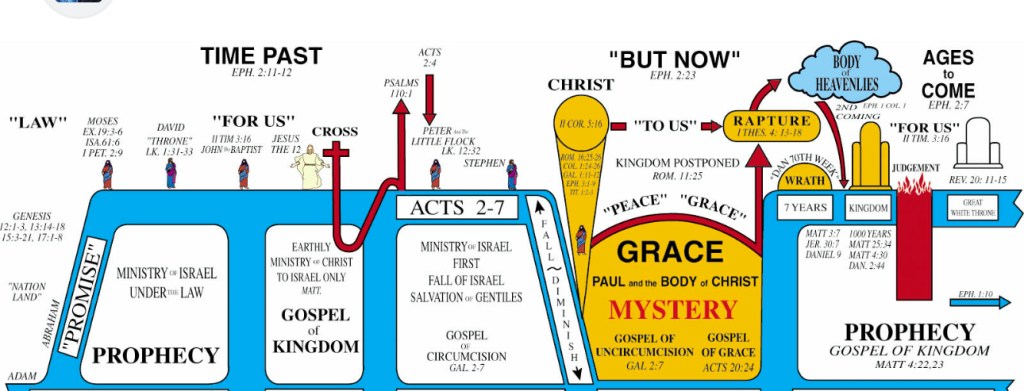
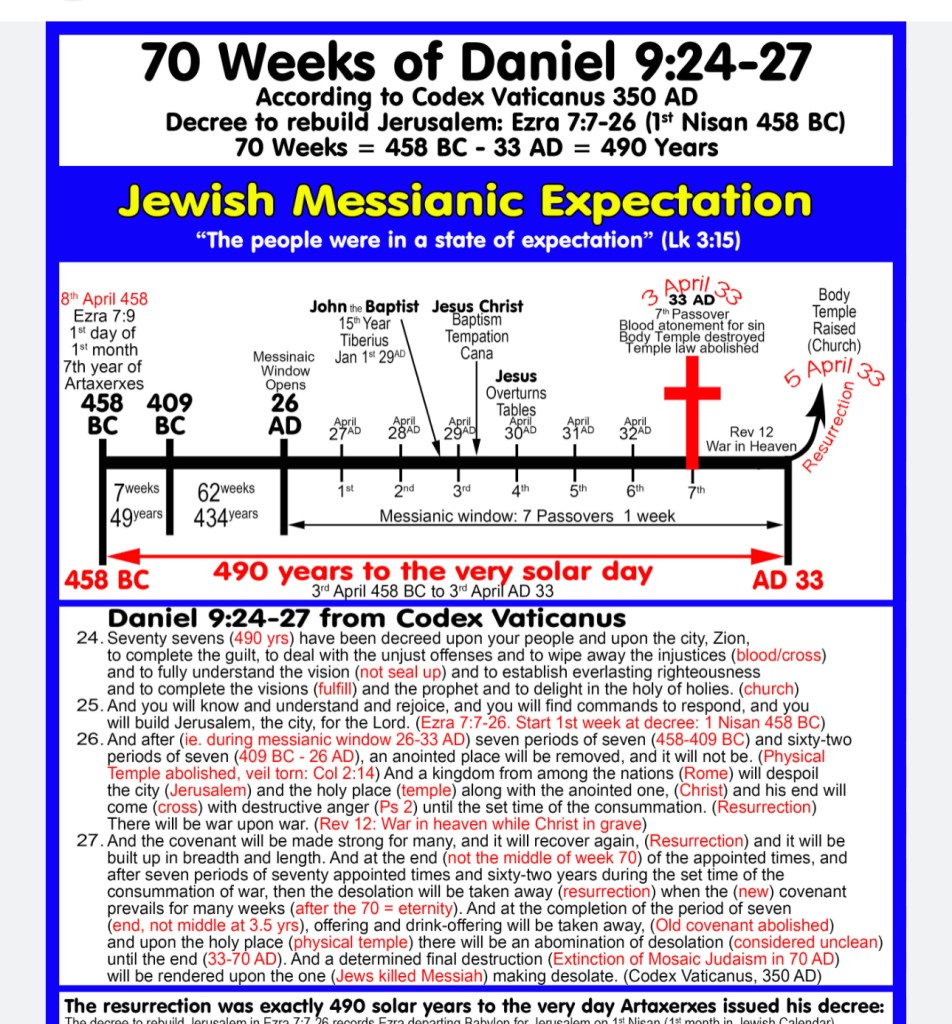
Within Non-Denominational there’s another belief called dispensationalism. This was very similar to the teachings I received while at IHOP-KC. Dispensationalism uses literal interpretation of the Bible through timelines. They believe that the Church is different from Israel and focus mostly on the end times through a series of prophesies and charts to prove these timelines while focusing highly on Eschatological books such as Daniel and Revelation. They take great interest in foreign policy and Israel becoming a nation in 1948. The problems are that these timelines that they impose are not labeled in scripture. Quite often when you super-impose a complex system onto history it will lead to chaos at worse and false conclusions at best.
Pentacostalism
Charles G Finney made a very astute observation that these “Revivalists” often have a “genuine conversion experience” followed by an extreme lapse. Pentacostalism focuses on the experiences that you perceive that you have with God, not doctrines. There was a huge focus on Joel 2:28 and “speaking in tongues” and “dreaming dreams” and signs and wonders. William Seymour who lead the Azusa Street Revival was taught by Charles Fox Parham. Charles Fox had his own personal indiscretions such as racism and affiliations with the KKK, charges of financial impropriety and was arrested in 1907 for sodomy. He taught that the British descendants were a part of the lost tribes of Israel and taught that being saved wasn’t enough, you needed a “2nd blessing” with the evidence of speaking in tongues.
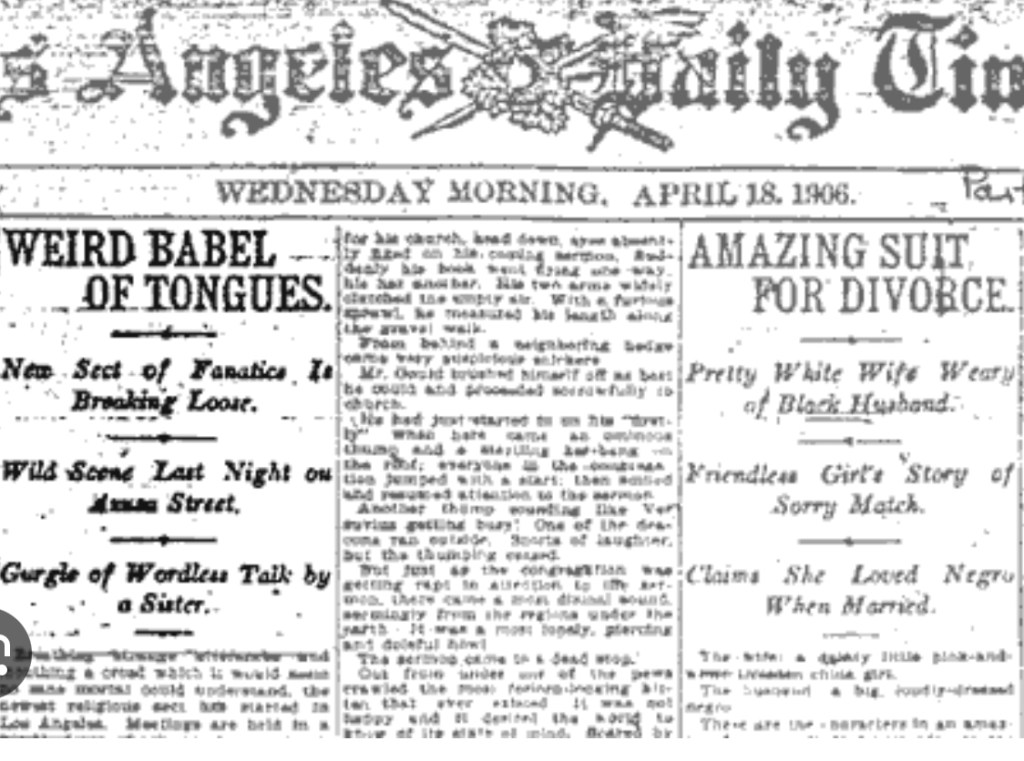
The people howling, and as the LA Times Described “worked themselves up into an emotional frenzy” believed that they had actually received the gifts of tongues as described in Acts and were sent to other nations with the gift of tongues to evangelise those abroad. After follow ups with these missionaries were held, not one reported back of being able to communicate with the native people via the gift of tongues. Believe it or not, waves of “Revivals” like this birthed multiple church denominations as well as the Holiness Movement and other highly chaotic and charged “moves of God”.
If you look at the infrastructures of all these institutions they are literally accountable to no one. They would probably say that they are “accountable to God” or “accountable to the Bible”. Ok, what does that mean? Who has teeth? Who has consequences to hold abusers accountable? What if those abusers are the pastors?
Depending on what you believe about God and Faith within the 45,000 denominations out there, abuse can be tricky because with “lifestyle brand” churches flowing out of revivalism movements the power is in the preacher and the one filled with the “Holy Spirit”. Abuse slips by because you literally believe that this man hears from God in an authoritative way. Perhaps better than you. Perhaps they are on TV or lead amazing worship sets where thousands of people are touched “by God” and can’t reconcile their abuse as abuse or “Wrong”. They are often highly charismatic and powerful with people. Could they twist sola scriptura to make it mean that you needed to obey their abuse? Some do. In some faith/miracle movements mental health patients dump their medicine down the toilet because “God told them to”. The anorexic goes on long fasts for “spiritual reasons” unchecked, and why not? You hear from God for yourself and your salvation journey answers to no one. Parents practice the shunning of a child who they perceive to be in “sin” without the accountability of the church behind them because you’re your own infallible pope and spiritual authority.
Conclusion
Unfortunately the narrative of abuse is a tale as old as time. It doesn’t make it acceptable EVER, but as long as humans have been alive there has been abuse. If you have experienced abuse, I can tell you that there is no substitute for going to therapy. Beyond the therapy office you may be wondering where you can go and who can you trust? If you believe in God or even if you don’t and still just want the community of a church there are a few things to look for.
- Find out who the church is accountable to and how they have handled indiscretions in the past. Were authorities involved in serious situations? Were charges pressed? Why or why not?
- Ask what would happen if abuse occurred with another member vs if abuse occurred with a pastor both inside and outside the context of church. Are congregants and pastors equally accountable to one another or is it one giant celebrity squad that protects only the organization?
- If the indiscretion is serious what actions are in place to assure that no one becomes further victimized while due process is in place? What is that due process?
- Is the church held accountable for the ways that they spend and give money? Are they sending the funding to the poor or cause that they stated, or are they hiding the ways that funds are spent?
- Do the teachings of the church line up with the culture of the community? If not what is the church leadership doing to help make the community a safe and healthy place?
- When issues like mental health, marriage problems or other serious issues exist does that pastor try to solve it himself, or does that pastor advise to also go to a doctor and seek professional help while offering love, community and support to the one that is hurting?
There are many churches that exist that have high levels of accountability and are safe and healthy congregations to be welcomed into. Church can be a wonderful and safe place of community so long as both members and leaders are held accountable. And not in the Bill Gothard “appearances only” way, but in a true “real world consequences if you’re an abuser” way. My best wishes to you as you find your people and your tribe and safe place. Much Love.


 Daly Life